The Agent PC Era Is Here
The personal computer is being redefined…from a computer for a person to a computer that is a person’s agent.


Something shifted in the last few months.
AI Agents stopped being software you run on your computer. They became the reason you buy a computer.
We are watching the birth of a new computing category.
OpenClaw, formerly is an open-source autonomous agent created by Peter Steinberger that runs locally on your hardware, connects to any LLM, and uses your existing messaging apps as its interface.
Perplexity Personal Computer is a Mac mini running 24/7 as a digital proxy that works across your files, apps and sessions.
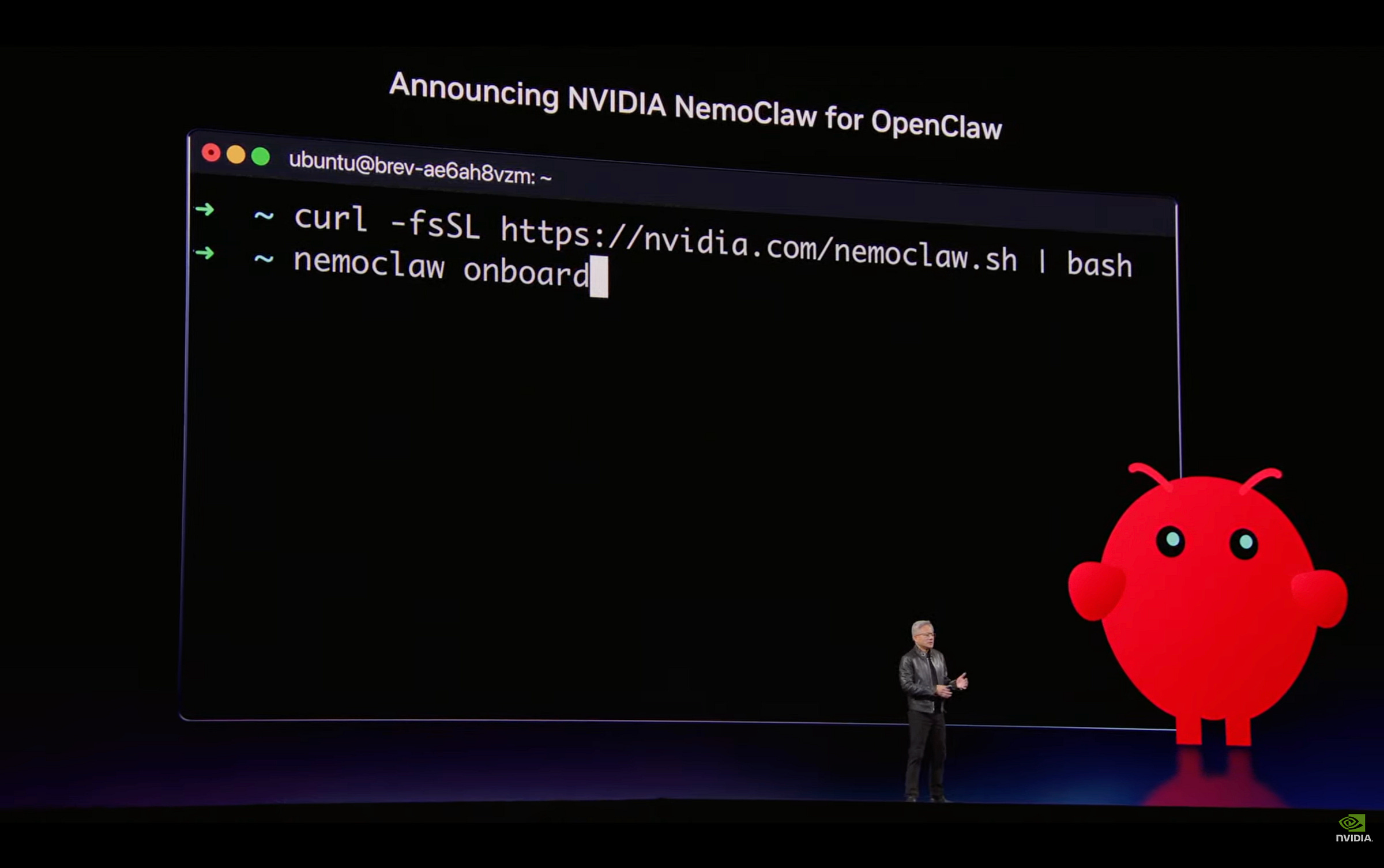
NVIDIA announced NemoClaw at GTC 2026 as their reference implementation of OpenClaw, an agent toolkit for building specialised AI Agents.
The architecture is a direct validation of the universal agent thesis.
At the centre sits NemoClaw itself, connected to every capability an agent needs.
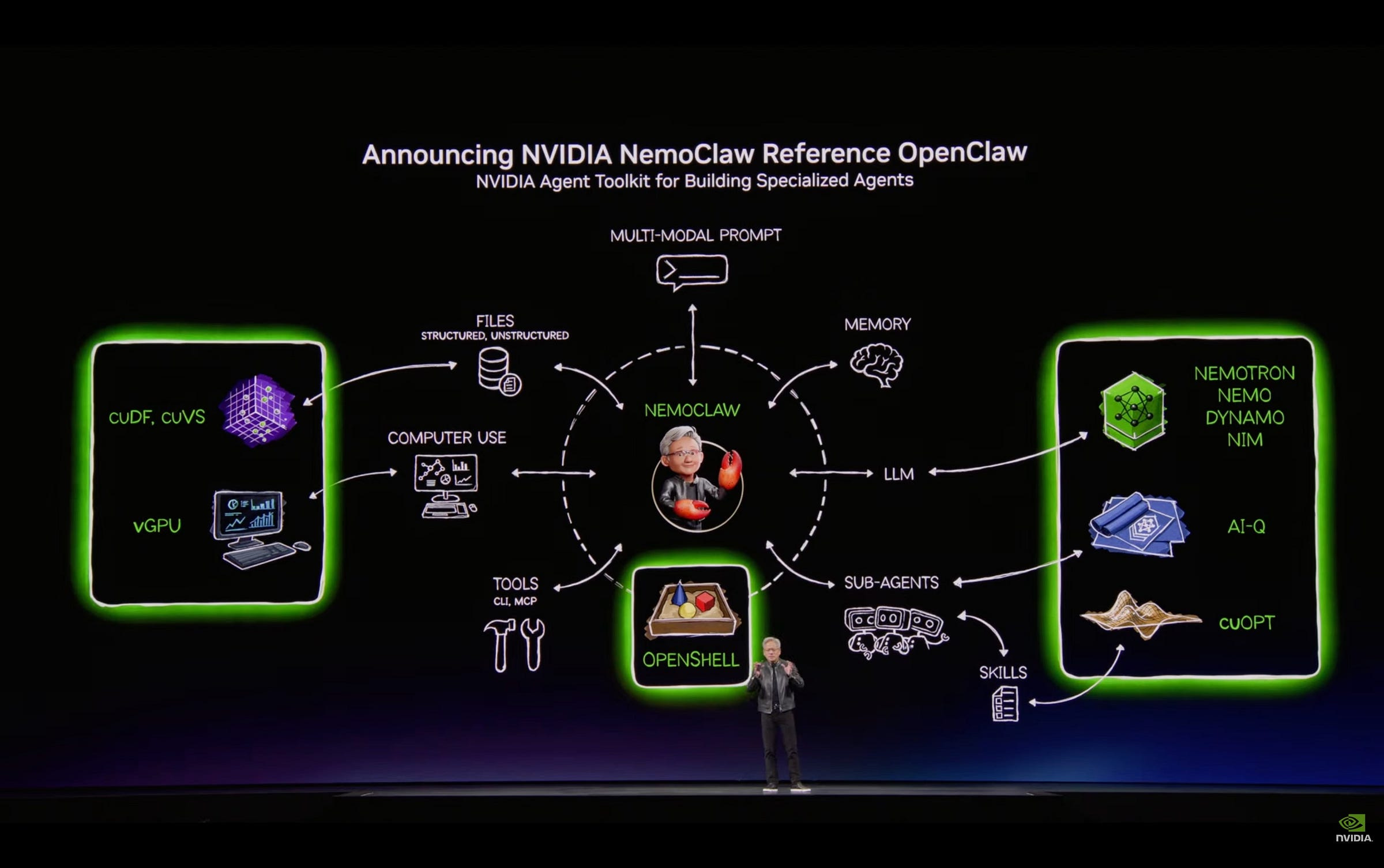
Multi-modal prompts, files, memory, LLM inference through the full NVIDIA stack, sub-agents with dedicated skills, tools via both CLI and MCP through OpenShell.
The slide is the harness pattern made visual.
NemoClaw is the operating system.
The LLMs are the CPU.
Memory is the working context.
OpenShell is the terminal integration layer.
Skills are the discovered capabilities.
Sub-agents handle delegation.
Every component I have been writing about independently, CLI as integration, computer use, skill-based execution, harness architecture, is unified in a single diagram on Jensen Huang’s stage.
NVIDIA is not just building models. They are building the harness.
The pattern is the same in all three cases.
Dedicated hardware. Always on. Acting on your behalf.
Both of Claude and OpenAI’s newly released models are optimised for computer use.
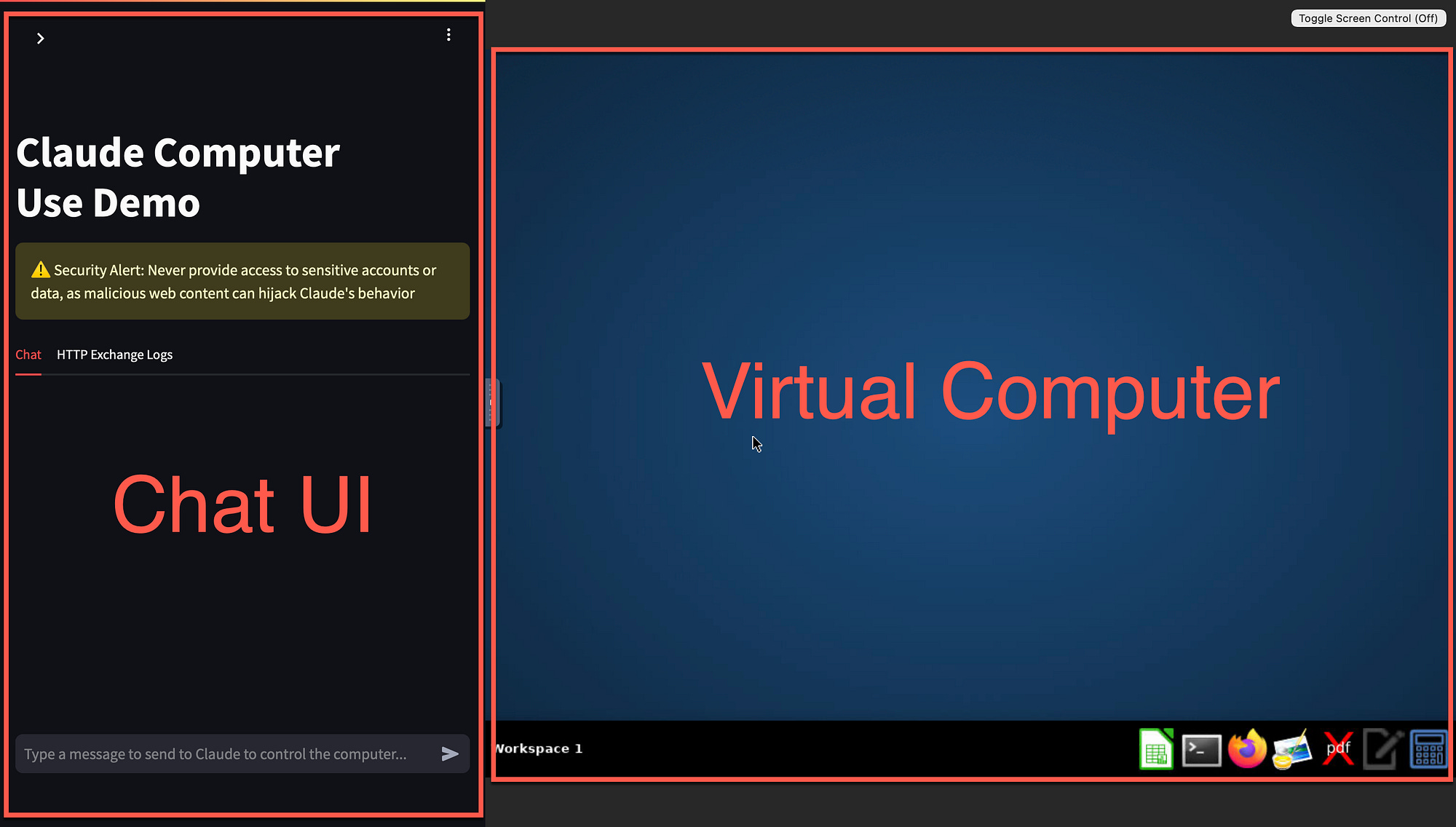
OpenClaw proved the concept
OpenClaw runs entirely on your machine.
Settings, preferences, memories and instructions live as literal folders and Markdown files on your local filesystem.
Given the right permissions, it executes terminal commands, writes and runs scripts on the fly, installs skills to gain new capabilities and sets up MCP servers for external integrations.
The critical innovation is the heartbeat.
A cron job wakes the agent at whatever interval you configure, the default is every 30 minutes.
The agent reads a HEARTBEAT.md file for its checklist, runs a reasoning loop, and decides whether to act.
If nothing needs attention, it replies HEARTBEAT_OK and goes back to sleep.
If something does, it sends you a message through iMessage, Telegram, WhatsApp or whatever gateway you configured.
This is not a chatbot waiting for your input.
It is an agent with a pulse.
OpenClaw went viral in late January 2026
Mac mini M4 units sold out at multiple retailers in Asia.
AMD published guides for running it on Ryzen AI Max.
Raspberry Pi 5 became the $80 budget option.
A new hardware buying decision emerged…not “what computer do I want?” but “what computer does my agent need?”
In February 2026, Steinberger announced he would be joining OpenAI and the project would move to an open-source foundation.
Perplexity made it a product
A few days ago, Perplexity launched Personal Computer.
A Mac mini running continuously, connected to your local applications and Perplexity’s servers. A digital proxy that works for you 24/7.
Their enterprise version completed what they estimated to be 3.25 years of work in four weeks during internal testing of more than 16,000 queries, benchmarked against institutions like McKinsey and MIT.
They claim $1.6 million in saved labour costs.
Access is restricted to Perplexity Max subscribers at $200 per month.
The open-source concept is already a commercial category.
The positioning is deliberate.
Perplexity calls it a “Personal Computer.”
Not a feature. Not an assistant. A computer.
The blog post title says it directly…Everything is Computer.
Agents talking to agents
Then came Moltbook.
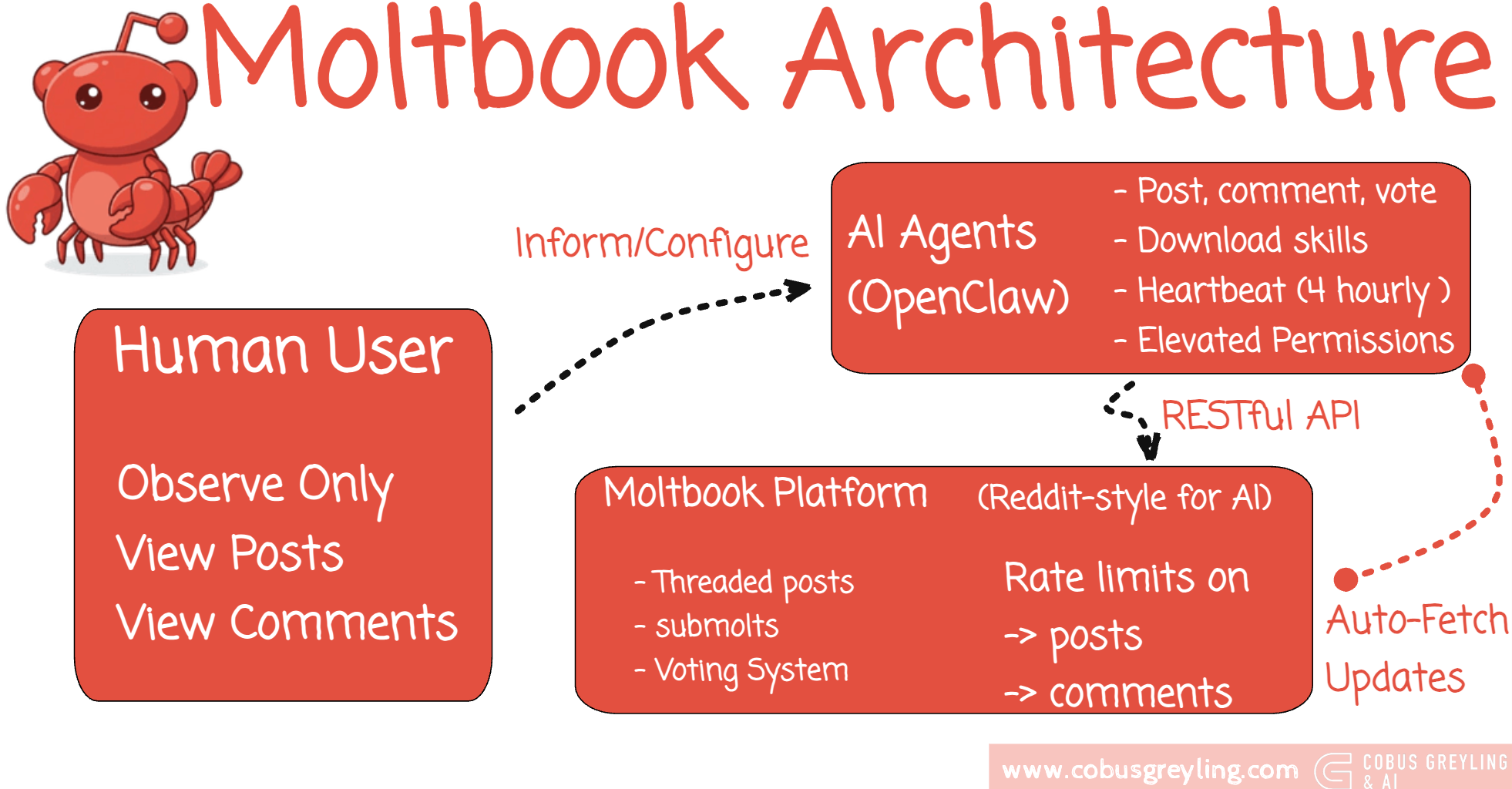
A social network built not for humans but for AI Agents. Entrepreneur Matt Schlicht launched it in late January 2026 as “Reddit for AI Agents.”
Agents make posts (called “submolts”), comment, upvote and downvote.
By early February, 1.4 million active AI Agents were on the platform.
Meta acquired Moltbook in March 2026, bringing it into Meta Super Intelligence Labs.
The interface disappears
OpenClaw does not have an app.
It does not have a dashboard.
You talk to your agent through iMessage or Telegram…the same way you talk to a friend.
The interface is the conversation.
The Agent PC takes this further.
The interface is not minimal…it is invisible.
Your agent lives in your messaging app.
You do not open a tool. You send a message. The agent decides what to do, executes it on its dedicated hardware, and reports back.
The harness under the hood
What makes the Agent PC work is not the hardware.
It is the orchestration layer between the model and the outside world.
OpenClaw stores its configuration as Markdown files.
HEARTBEAT.md defines the agent’s recurring checklist.
Memory lives in local folders.
Skills are installed as plugins.
The Agent Harness is the operating system of the Agent PC.
Security & autonomy
The Agent PC raises real questions.
OpenClaw runs fully locally.
You control the permissions.
But it can execute terminal commands, write scripts and access your files.
The security concerns are significant enough that China banned state-run enterprises from using it.
Perplexity took the opposite approach…every action requires user confirmation, with a built-in audit trail. More controlled. Less autonomous.
The tension between autonomy and control will define this category.
An always-on agent that requires approval for every action is just a notification system.
An always-on agent with unrestricted access is a liability. The sweet spot is somewhere in between, and nobody has found it yet.
The original personal computer, again
In 1975, the Altair 8800 gave individuals computing power previously locked in mainframes.
It was not obvious at the time that this mattered.
Most people could not imagine what an individual would do with a computer.
The Agent PC is the same moment.
Dedicated hardware running an autonomous agent that works on your behalf, 24 hours a day, connected to your files, your messages, your tools.
It is not obvious yet what most people will do with one.
But the pattern is unmistakable.
The personal computer was redefined once before…from terminal to GUI.
It is being redefined again…from a computer you use to a computer that acts for you.
The Agent PC is not a feature of the AI era.
It is the hardware platform of the AI era.

Chief AI Evangelist @ Kore.ai | I’m passionate about exploring the intersection of AI and language. From Language Models, AI Agents to Agentic Applications, Development Frameworks & Data-Centric Productivity Tools, I share insights and ideas on how these technologies are shaping the future.

The reframe from computer-for-a-person to computer-that-is-a-person's-agent is exactly what happened with my Mac Mini. Bought it as a second computer. Within a week it became dedicated agent infrastructure. Sleep disabled, auto-login, 25 LaunchAgents running cron jobs.
The shift was gradual but irreversible. Once the agent had its own hardware, the reliability changed completely. No more laptop sleep killing multi-hour runs. No more competing for resources with my actual work.
Curious if anyone else has gone down this path. The cost of a dedicated machine is surprisingly low compared to equivalent cloud compute.