When The AI Framework Layer Disappears…
…the Prompt Becomes the Application & The Orchestration Layer Collapses into the Model

That’s either exciting or terrifying depending on whether you build frameworks for a living.
And most people haven’t noticed yet.
Some Observation
When I first used Anthropic’s Agent Teams I kept waiting for the complexity to show up.
Multi-agent orchestration has always meant frameworks — LangGraph state machines, CrewAI agent definitions, AutoGen conversation patterns…
Hundreds of lines of Python before anything useful happens…or building Agentic Workflows via a node/edge GUI…
Agent Teams is a prompt.
You paste natural language into Claude Code, and it spawns teammates, manages tasks, handles messaging, and coordinates work.
No SDK.
No YAML.
No workflow engine.
My first reaction was, this feels too simple.
Something must be missing.
Nothing is missing. The complexity moved. It collapsed into the model.
What a multi-agent framework actually does
I guess every multi-agent framework — CrewAI, LangGraph, AutoGen, Semantic Kernel — handles the same five responsibilities:
1. Define agents           | Model (from prompt)
2. Route messages          | Model (native)
3. Manage task lifecycle   | Model (native)
4. Handle dependencies     | Model (native)
5. Spawn/terminate workers | Model (via tooling)
And…
6. Persistence           | Framework
7. Deterministic replay  | Framework
8. Cost control/limits   | Framework
9. Observability/logging | Framework
10. Error recovery       | Framework
Items 1 to 5 -> the model absorbed these.
Items 6 to 10 -> frameworks still own these.
When I wrote about the 5 Levels of AI Agents, the highest levels described autonomous multi-agent coordination.
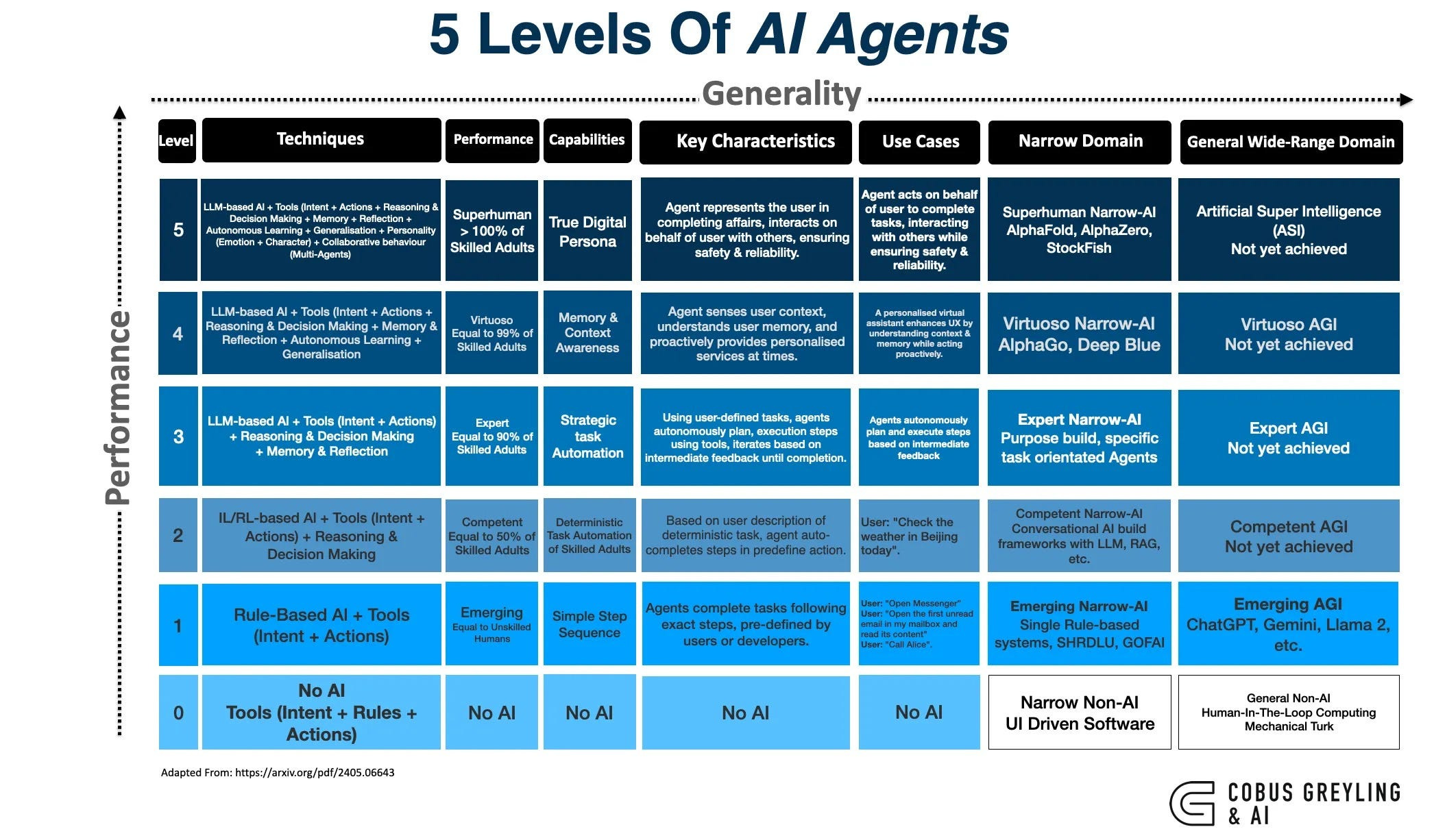
That coordination used to require hundreds of lines of framework code.
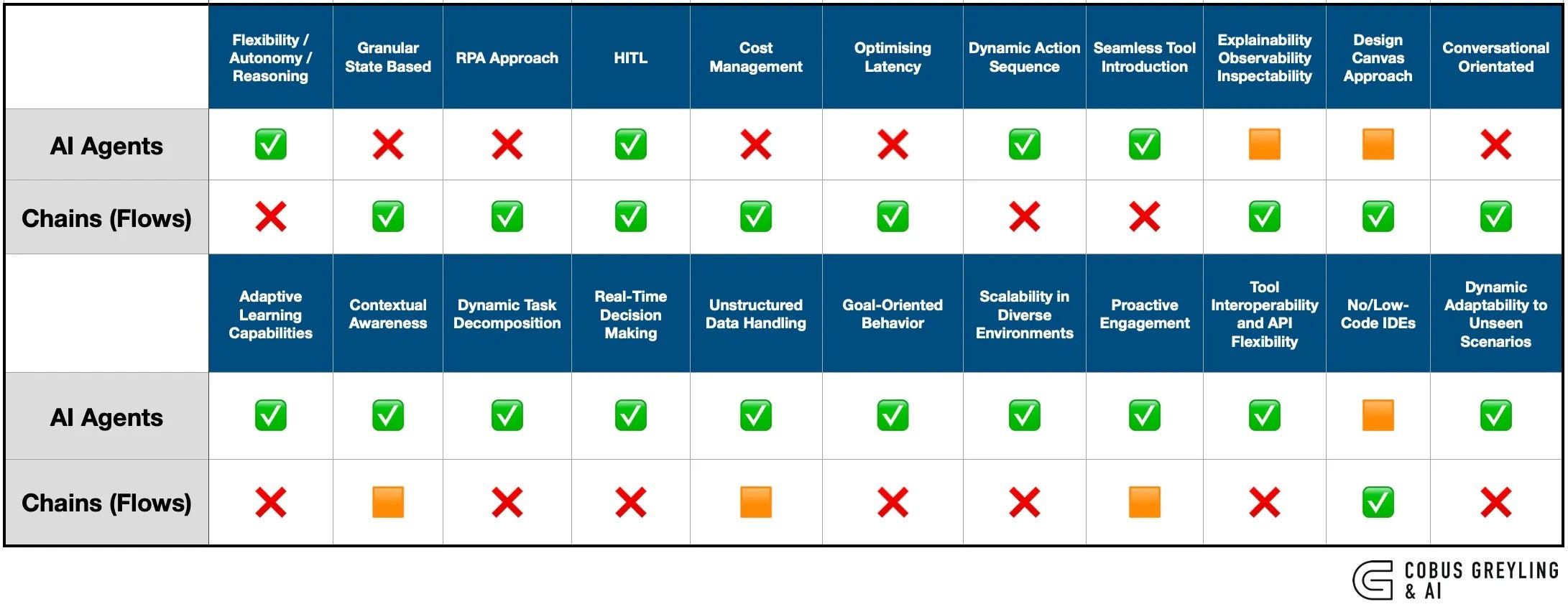
Now the model does it natively — you describe the team, and orchestration happens.
This isn’t a small shift.
Items 1 through 5 represent roughly 80% of what developers use a multi-agent framework for.
The remaining 20% — persistence, determinism, cost control, observability, error recovery — is where frameworks still win.
But that 20% matters primarily in production.
For developer workflows, prototyping, and one-off tasks, it doesn’t.
The Collapsing Stack
Look at how the stack has compressed across three eras…
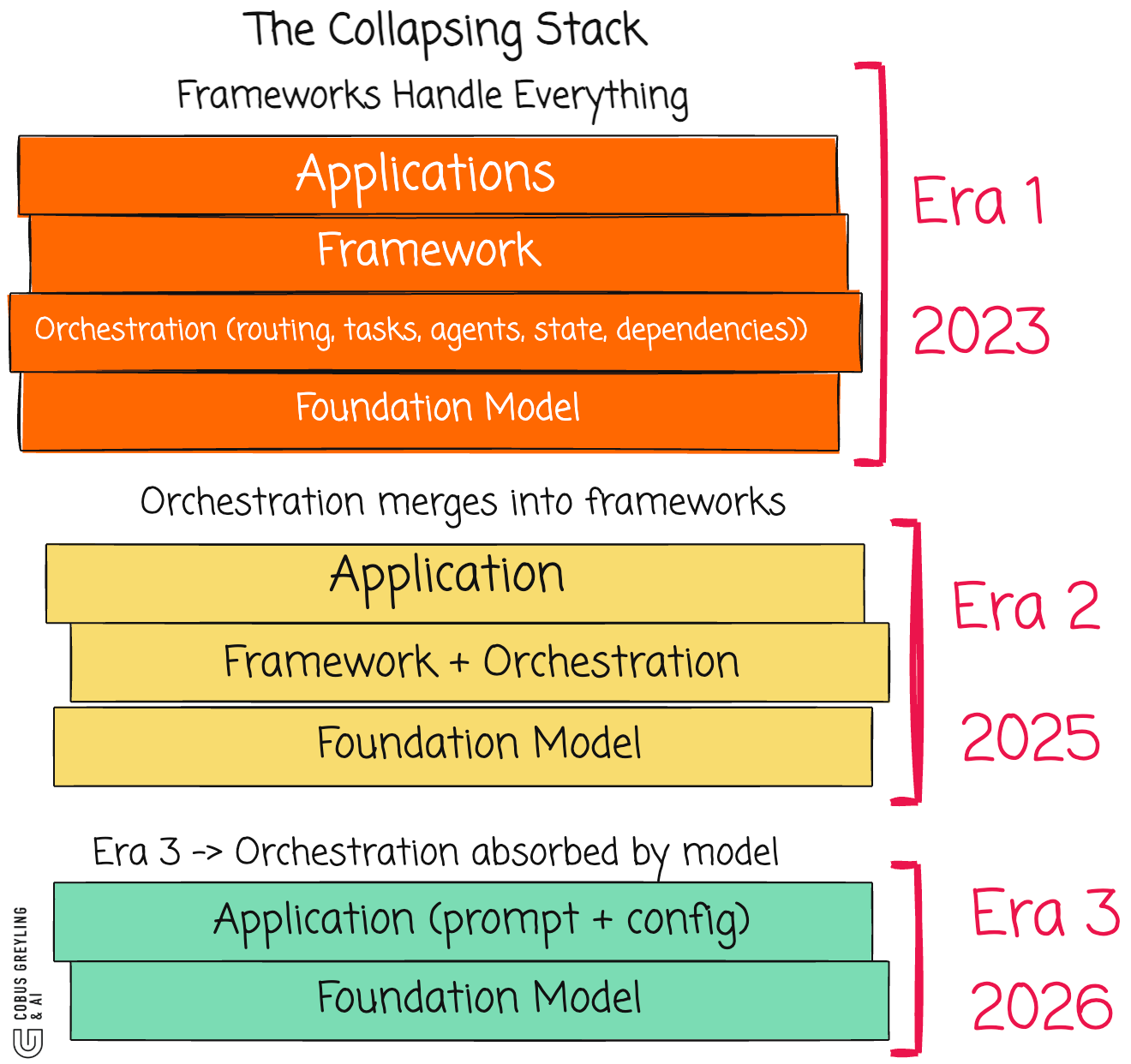
Each generation of models chips away at another layer.
The framework gets thinner.
Then it merges with orchestration.
Then both collapse into the model.
What remains on top is the application and the application is a prompt.
The Deeper Implication
If orchestration collapses into the model, the prompt becomes the application.
This is exactly what I observed with Agent Teams.
The example prompts in the repo aren’t documentation.
They’re the equivalent of main.py, written in English.
When I wrote the debugging example, it defines five agents, their responsibilities, communication patterns, and output format, all in a single markdown block.
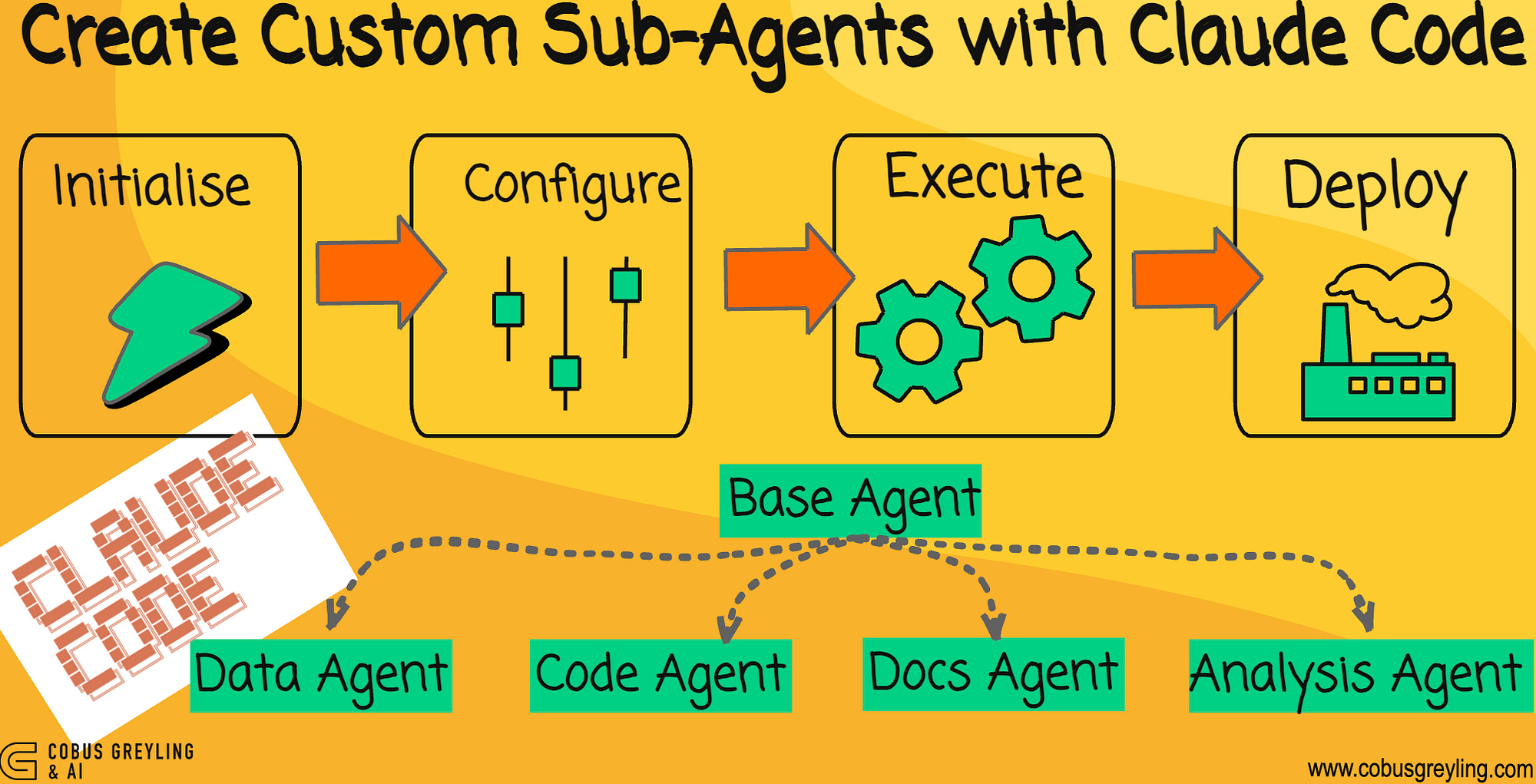
That markdown block is the application.
CLAUDE.md files aren’t config. They’re code. The language shifted from Python to English, and the runtime shifted from a framework to the model itself.
As I noted when covering Anthropic’s argument that coding agents are becoming the universal everything agent, the model isn’t just executing instructions, it’s absorbing the infrastructure that used to surround it.
What frameworks still own
The remaining 20% is real and it matters, in the right context:
Persistence
Agent Teams teammates are ephemeral. They exist for one session. Production agents need state across runs, checkpointing, and replay.
Determinism
The same prompt can produce different team structures.
Code-defined agents produce the same structure every time. For some pipelines, determinism matters.
Cost control
Frameworks can enforce token budgets, model selection per agent, and circuit breakers. With Agent Teams, each teammate is a full Claude instance and costs scale linearly.
Observability
Framework-based agents produce structured logs, traces, and metrics. Agent Teams output is terminal text.
Error recovery
When a framework agent fails, you get retry logic, fallbacks and compensation patterns.
When a teammate fails, the lead decides what to do, which may or may not be what you wanted.
These are production concerns.
In Closing
Each model generation absorbs another piece of the framework’s territory.
A year ago, defining agent roles required code.
Six months ago, task routing required code.
Today, the model handles both natively.
The pattern is consistent…capabilities migrate from application code, to framework code, to model capability.
The model keeps getting better at orchestration until the framework becomes optional for most use cases.
Not all use cases.
Production systems will need the guardrails that frameworks provide for the foreseeable future.
But for the 80% of multi-agent work that is exploratory, interactive and disposable, the framework layer has already disappeared.

Chief Evangelist @ Kore.ai | I’m passionate about exploring the intersection of AI and language. Language Models, AI Agents, Agentic Apps, Dev Frameworks & Data-Driven Tools shaping tomorrow.
